


Understanding the Escalating Impact of El Niño: A Global Concern
2026-09-04 00:23
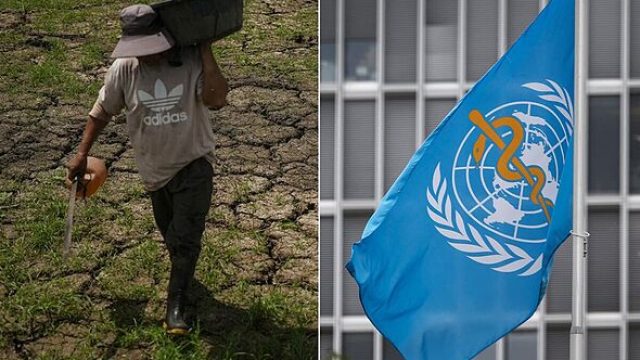
Key Takeaways
- El Niño is intensifying, leading to severe climate patterns globally.
- July 2023 was recorded as the hottest month in the U.S. to date.
- Countries in Southeast Asia, including Indonesia, face heightened drought risks.
- Travel and tourism sectors are significantly impacted by climate fluctuations.
- Farmers and local communities brace for agricultural challenges ahead.
The Growing Concern Over El Niño's Impact
In recent months, meteorological data has indicated a troubling strengthening of El Niño, a climate phenomenon known for its dramatic effects on weather patterns globally. The United Nations recently issued a dire warning regarding the implications of this intensification, highlighting the potential for unprecedented heatwaves and prolonged droughts in various regions. With July 2023 marking the hottest month on record in the United States, this development raises significant concerns about climate stability and its cascading effects on numerous sectors, including travel and tourism.
How El Niño Affects Travel and Tourism
The travel industry is particularly vulnerable to climatic shifts, especially in regions like Southeast Asia, where tourism forms a vital part of the economy. Destinations such as Bali and Jakarta may experience significant alterations in their seasonal weather patterns, potentially deterring tourists during peak seasons. Moreover, the risk of drought can adversely affect local agriculture, further influencing food prices and availability for visitors.
Implications for Popular Destinations
Tourist hotspots throughout Indonesia, including Surabaya and Bali, are bracing for potential disruptions. Travel agencies and tourism bodies need to prepare for an uptick in natural calamities, which may lead to altered travel schedules and increased costs for visitors. The likelihood of hikes in travel insurance rates also looms, as travelers seek additional coverage against climate-related disruptions.
Global Responses to Climate Change
In light of these warnings, nations worldwide are urged to adopt more proactive measures to combat climate change. This includes enhanced infrastructure to withstand extreme weather, along with stricter regulations regarding emissions. Collaborative efforts within the ASEAN community can bolster resilience against environmental challenges, with shared strategies to mitigate the effects of El Niño and its associated risks.
The Local Impact: A Spotlight on Southeast Asia
Southeast Asia is particularly susceptible to the harsh consequences of El Niño, including severe droughts, which can lead to water shortages and food insecurity. The current situation calls for immediate action among local governments and organizations to develop adaptive strategies. Farmers, especially in Indonesia, must prepare for irregular rainfall patterns, which can directly impact crop yields and livelihoods.
Community Preparedness and Adaptation
Many communities are already implementing strategies to cope with the potential impacts of El Niño. Educational campaigns are underway, aiming to inform local populations about water conservation practices and crop diversification techniques. Additionally, local sports events, such as the undangan turnamen bola voli, are being organized to foster community engagement and resilience.
Conclusion: Navigating the Future with Caution
As we observe the intensifying effects of El Niño, it becomes increasingly clear that both individuals and industries must adapt to these evolving conditions. The travel sector, especially in climate-sensitive regions like Southeast Asia, must remain vigilant and prepared for the challenges ahead. By staying informed and taking proactive measures, we can navigate this uncertain climate landscape together.
